Description
October 2, 2026
European Continental Championships 2026 🇸🇮 – Road Race (CC) WU23 – Ljubljana – Šenčur : 141,8 km
European Continental Championships – Road Race is a UCI-sanctioned championship road race contested by national teams,
Show more...
October 2, 2026
European Continental Championships 2026 🇸🇮 – Road Race (CC) WU23 – Ljubljana – Šenčur : 141,8 km
European Continental Championships – Road Race is a UCI-sanctioned championship road race contested by national teams, combining long paved sections, rolling terrain, short climbs and technical descents. The course typically covers more than 150 km, with repeated changes of gradient rather than one continuous mountain ascent. Climbs can range from gradual 4–6% rises to sharper ramps above 10%, creating frequent accelerations and testing riders’ ability to manage effort across a long distance. Narrow roads, tight corners and exposed sections make positioning important, particularly before climbs and technical passages, while wind and changing weather can influence the formation of groups. Racing often begins with controlled breakaway attempts before the pace increases as teams seek to place riders in advantageous positions. The peloton can stretch and fragment on successive climbs, with flatter sections allowing groups to regroup. As the finish approaches, attacks and counterattacks become increasingly frequent. The race can conclude with a solo move, a reduced-group sprint or a late acceleration, depending on the course profile and accumulated fatigue.
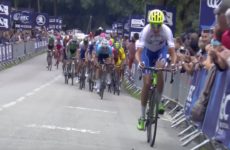
Héctor Álvarez (Spain) produced a powerful, gutsy ride to claim the under-23 European Championships title in Slovenia, attacking away solo in the final 13km to go one better than his result from the World Championships last week.
It wasn’t all plain sailing for the 19-year-old, though, as he had originally gone solo with 34.7km to go on Friday, only to be caught on the final time up the tough Možjanca climb, which was tackled three times en route to the finish in Šenčur on Friday.
With Max Bock (Germany) chasing him down on the climb, taking Jan Michal Jackowiak (Poland) and Niels Driesen (Poland) for the ride in his wheel, Álvarez got back in the lead after following an opportunistic move from the Pole, and then countering him with some daring moves into the downhill run off of the climb.
By the time they reached the finish, Álvarez, whose heaps of talent have already seen him confirmed for a step-up to Lidl-Trek’s WorldTour squad in 2027, was able to celebrate into the final kilometre as he arrived alone, 20 seconds ahead of Jackowiak.
Driesen left Bock behind in the final 4km to take the bronze medal, adding to his fifth-place finish from Worlds, and earning the Belgians something out of the day after they had done much of the chasing.
“We need to say finally. I was following this for a real long time; it’s two years without the win. I think everyone trusted me and I think today I paid it off,” said Álvarez, who finished third in the same race a year ago, and was the runner-up in the European junior race two years ago.
“We knew it from the start was going to be crazy and fast, all the flat part, but I think all my team for the first part: óscar, Emilio, Eñaut, Javi, everyone was all there for me; they trusted me from the start, also the team manager. We knew today was the day, and I paid it off.
“I think I don’t need to give any advice to the bit guys, but I think you need to be brave. Today I put my way to race that is aggressive, and I finally arrived, so just be brave.”
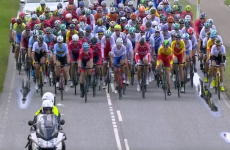
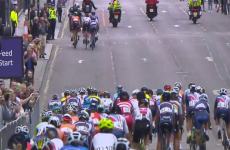
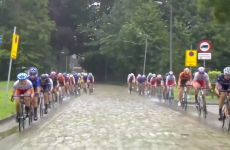
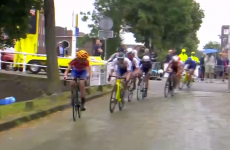
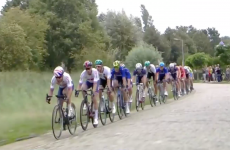
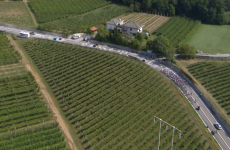
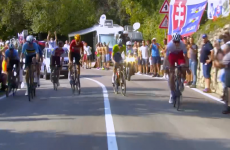
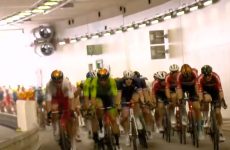
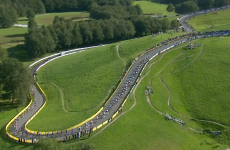
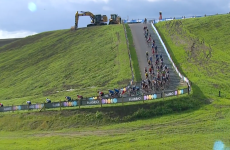
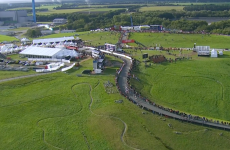
After an aggressive start to the under-23 road race at the UEC European Championships in Slovenia, with several attacks and some crashes at the front of the race, a large group of 60 riders found themselves set to play out three laps of the Šenčur finishing circuit and Možjanca climb (2.1km at 10.2%).
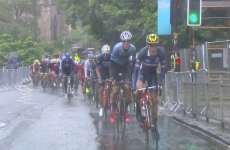
The major selection came on the penultimate time up the climb, which Roberto Capello (Italy) led solo onto, before being bridged across to and dropped by Max Bock (Germany), who rides for Red Bull-Bora-hansgrohe’s development team.
Both of them were mopped up by the bubbling chasing pack of favourites past the top of the climb, before everyone felt the brunt of a big counterattack from Spain’s Héctor Álvarez with 34.7km to go, carrying his form over from the World Championships in Montreal, where he was second in the same event behind the USA’s Ashlin Barry.
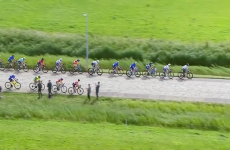
Álvarez showed off his strength against the clock as he pushed on solo ahead of the chasing group of 16, who crossed what would be the finish line with a 41-second deficit to make up in the final 22km lap.
Belgium worked in the group behind with four riders remaining, and the gap finally started to go in the right direction for the chasers onto the climb, with Bock working to close the gap down to under 20 seconds with 15km to go. Jan Michal Jackowiak (Poland) and Niels Driesen (Belgium) were the only riders able to follow the German.
Álvarez was caught with 14km to go by the three chasers, but he’d made it over the hardest part of the course on the climb. Despite his grimaces and obvious struggles, the Spaniard kicked straight away again on the plateau, only to be caught by Bock in quick time.
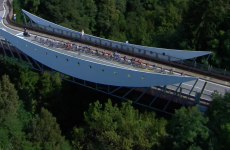
Jackowiak was the next to attack with 13.5km to go into the downhill roads through the trees, with Bock unable to snap onto his wheel as he did to Álvarez. In fact, it was the Spanish rider who still had enough juice to make the junction.
The two bigger men threw some more haymakers at each other on the picturesque downhill run back towards Šenčur, with Álvarez getting separation once again into the last 13km. This ended up being the winning move, with Jackowiak finishing 20 seconds down and Driesen arriving 32 seconds in arrears after a tough race.
Results :


 WU23 </strong> - Ljubljana - Šenčur : 141,8 km
<!--more-->
European Continental Championships – Road Race is a UCI-sanctioned championship road race contested by national teams, combining long paved sections, rolling terrain, short climbs and technical descents. The course typically covers more than 150 km, with repeated changes of gradient rather than one continuous mountain ascent. Climbs can range from gradual 4–6% rises to sharper ramps above 10%, creating frequent accelerations and testing riders’ ability to manage effort across a long distance. Narrow roads, tight corners and exposed sections make positioning important, particularly before climbs and technical passages, while wind and changing weather can influence the formation of groups. Racing often begins with controlled breakaway attempts before the pace increases as teams seek to place riders in advantageous positions. The peloton can stretch and fragment on successive climbs, with flatter sections allowing groups to regroup. As the finish approaches, attacks and counterattacks become increasingly frequent. The race can conclude with a solo move, a reduced-group sprint or a late acceleration, depending on the course profile and accumulated fatigue.
Héctor Álvarez (Spain) produced a powerful, gutsy ride to claim the under-23 European Championships title in Slovenia, attacking away solo in the final 13km to go one better than his result from the World Championships last week.
It wasn't all plain sailing for the 19-year-old, though, as he had originally gone solo with 34.7km to go on Friday, only to be caught on the final time up the tough Možjanca climb, which was tackled three times en route to the finish in Šenčur on Friday.
With Max Bock (Germany) chasing him down on the climb, taking Jan Michal Jackowiak (Poland) and Niels Driesen (Poland) for the ride in his wheel, Álvarez got back in the lead after following an opportunistic move from the Pole, and then countering him with some daring moves into the downhill run off of the climb.
By the time they reached the finish, Álvarez, whose heaps of talent have already seen him confirmed for a step-up to Lidl-Trek's WorldTour squad in 2027, was able to celebrate into the final kilometre as he arrived alone, 20 seconds ahead of Jackowiak.
Driesen left Bock behind in the final 4km to take the bronze medal, adding to his fifth-place finish from Worlds, and earning the Belgians something out of the day after they had done much of the chasing.
"We need to say finally. I was following this for a real long time; it's two years without the win. I think everyone trusted me and I think today I paid it off," said Álvarez, who finished third in the same race a year ago, and was the runner-up in the European junior race two years ago.
"We knew it from the start was going to be crazy and fast, all the flat part, but I think all my team for the first part: óscar, Emilio, Eñaut, Javi, everyone was all there for me; they trusted me from the start, also the team manager. We knew today was the day, and I paid it off.
"I think I don't need to give any advice to the bit guys, but I think you need to be brave. Today I put my way to race that is aggressive, and I finally arrived, so just be brave."
After an aggressive start to the under-23 road race at the UEC European Championships in Slovenia, with several attacks and some crashes at the front of the race, a large group of 60 riders found themselves set to play out three laps of the Šenčur finishing circuit and Možjanca climb (2.1km at 10.2%).
The major selection came on the penultimate time up the climb, which Roberto Capello (Italy) led solo onto, before being bridged across to and dropped by Max Bock (Germany), who rides for Red Bull-Bora-hansgrohe's development team.
Both of them were mopped up by the bubbling chasing pack of favourites past the top of the climb, before everyone felt the brunt of a big counterattack from Spain's Héctor Álvarez with 34.7km to go, carrying his form over from the World Championships in Montreal, where he was second in the same event behind the USA's Ashlin Barry.
Álvarez showed off his strength against the clock as he pushed on solo ahead of the chasing group of 16, who crossed what would be the finish line with a 41-second deficit to make up in the final 22km lap.
Belgium worked in the group behind with four riders remaining, and the gap finally started to go in the right direction for the chasers onto the climb, with Bock working to close the gap down to under 20 seconds with 15km to go. Jan Michal Jackowiak (Poland) and Niels Driesen (Belgium) were the only riders able to follow the German.
Álvarez was caught with 14km to go by the three chasers, but he'd made it over the hardest part of the course on the climb. Despite his grimaces and obvious struggles, the Spaniard kicked straight away again on the plateau, only to be caught by Bock in quick time.
Jackowiak was the next to attack with 13.5km to go into the downhill roads through the trees, with Bock unable to snap onto his wheel as he did to Álvarez. In fact, it was the Spanish rider who still had enough juice to make the junction.
The two bigger men threw some more haymakers at each other on the picturesque downhill run back towards Šenčur, with Álvarez getting separation once again into the last 13km. This ended up being the winning move, with Jackowiak finishing 20 seconds down and Driesen arriving 32 seconds in arrears after a tough race.
<strong>Results : </strong>
<iframe src="https://firstcycling.com/widget/?r=348&y=2026" width="100%" height="730" scrolling="yes" frameborder="0"></iframe>)